Getting Your Dream Match in Adventure
Selecting an appropriate piece of gear protection bag is a minor point until you stand in the rain. You do not want your clothes wet and your phone ruined by the river. The correct choice of dry bag size is the initial step to a relaxing trip. The bag used should be large enough to keep the gear covered against the weather. An oversized bag can become a huge mess that is not easy to carry. You must find that happy medium when everything just fits tight, and it is all secure.
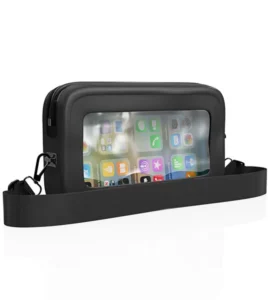
Knowing the Ins and Outs of the Dry Bag Capacity
These bags are often measured in litres by most manufacturers, and it may be confusing at the beginning. Imagine it is the amount of space in the bag after it has been closed. You should keep in mind that you should roll down the top at least three times. This rolling process occupies part of the space that is being advertised in the bag. There is an additional room that has to be kept in mind in case you want to consider various Dry Bag Sizes.
Mini Essentials of Fast Trips
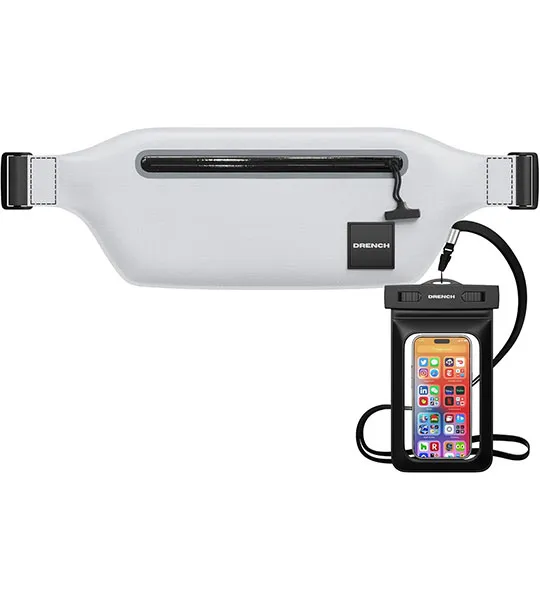
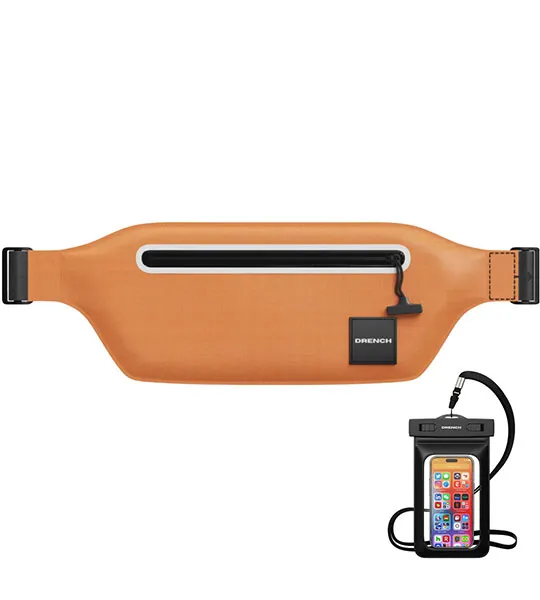
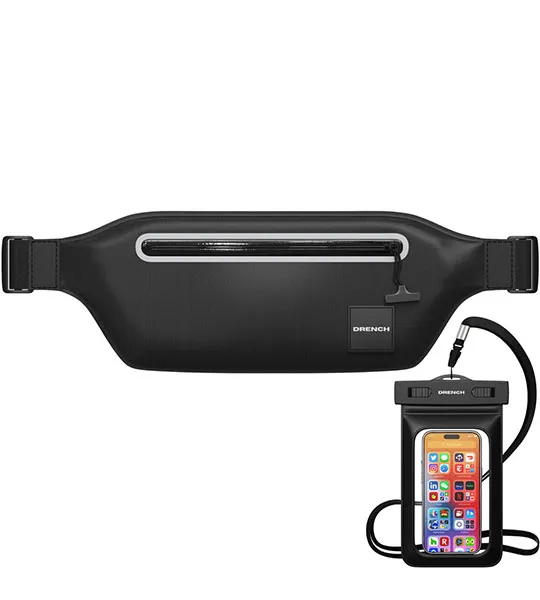
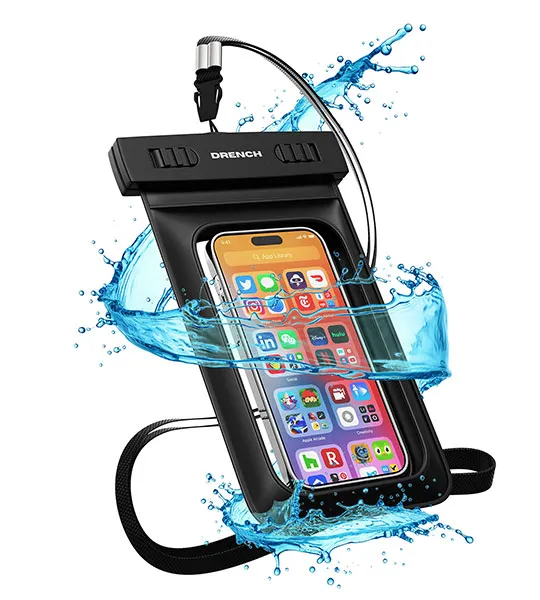
Smalls normally have a volume of one to five litres. They are ideal for storing the most valuable things in a single secure and dry location. A Large v tiny bag is a setup used by many people: small bags are placed in big ones. This provides a two-layered security to electronics that cannot get wet in any way.
Upgrading to the Mid-Size Choices
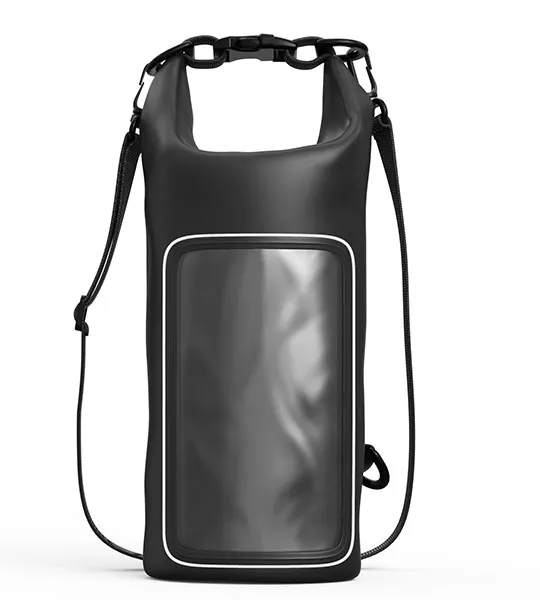
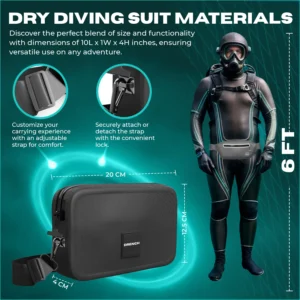
The most popular one is the ten-litre to twenty-litre range, which is preferred by the majority of casual outdoor fans. This is a big enough size to fit a light jacket and an additional change of dry clothes. A good day on the trail is also another thing that you can afford a decent lunch, and some snacks. The reason why it is the Best Dry Bag for Travel is that it can be easily packed into either a suitcase or a backpack. This size is a good balance between physical weight and storage capacity for most people. You are able to carry it throughout the day without the feeling that you are carrying a big suitcase.
Going Big to Overnight Expeditions
Thirty litres or more will be required when you are planning to spend several days out. Sleeping bags and an additional layer of heavy clothes on cold nights could be put in these huge bags. Comparison of Small Vs Large Dry Bags reveals that larger bags are usually composed of more resilient materials. They must carry greater weight and have to deal with more friction on rocks or boat floors. Anything bigger is normally mounted at the bottom of a boat or a truck bed.
Specialized Water Sports Equipment
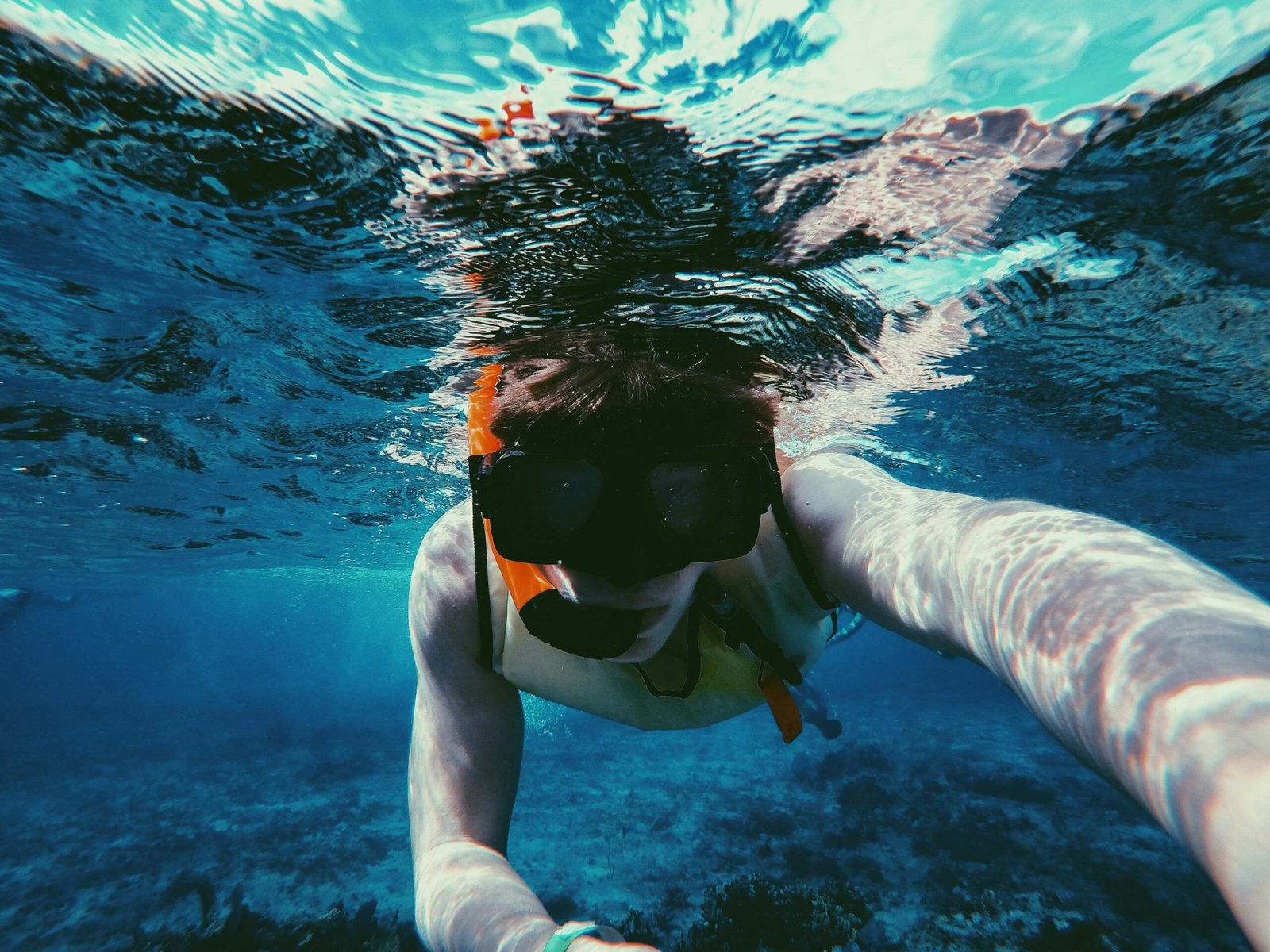
You must have a Dry bag for Water Sport, in case you like kayaking or paddleboarding. The bags have shoulder straps or D-rings, frequently in order to lash them to your craft. You are interested in having a size that can fit in the storage hatches of your particular kayak or canoe. To enjoy water, most of the water enthusiasts use two medium bags instead of a giant bag to have a better distribution of weight.
Packing Advice: How to Pack for Maximum Efficiency
The importance of packing a Gear Protection Bag is the same as the selection of the size of your trip. The things that you need the least should be placed at the very bottom of the bag. You can put your heavy stuff in the middle so that the bag can stay stable as you carry it. Keep some air in it as desired to make the bag float in the water. Roll out all the air you can get to save room in a bigger hiking pack. When the roll-top seal is packed properly, it can remain tight and keep all the water out.
Last Reflections on Your Choice
The right Dry Bag Capacity is fully dependent on the environment you are intending to venture into in the nearest future. When in between two sizes of a bag always tends to lean a bit more towards the bigger Dry Bag size. There is always the option of rolling down the extra fabric rather than squeezing a zipper closed. With a nice bag, you can go through numerous storms and your equipment will not be damaged. You should also consider your gear list, think of it, and only then make the final purchase.
Join our Facebook community for practical outdoor travel tips, gear protection guides, and updates that help you choose the right dry bag every time.
FAQs
What is the size of a bag I require for day hiking?
A jacket and a few basic snacks are a typical fit in a ten-litre bag.
Can I use a dry bag as a pillow?
Yes, you may leave a little air in it and wrap it around with a soft shirt.
How do I clean my gear bag?
It should be rinsed with fresh water and mild soap after each long journey.
Can these bags be completely submersible?
The majority of them are made to deal with fast descents in water but not prolonged stays underwater.
Do I need a strap for my bag?
Straps enable the transportation of your gear by walking long distances quite easily.